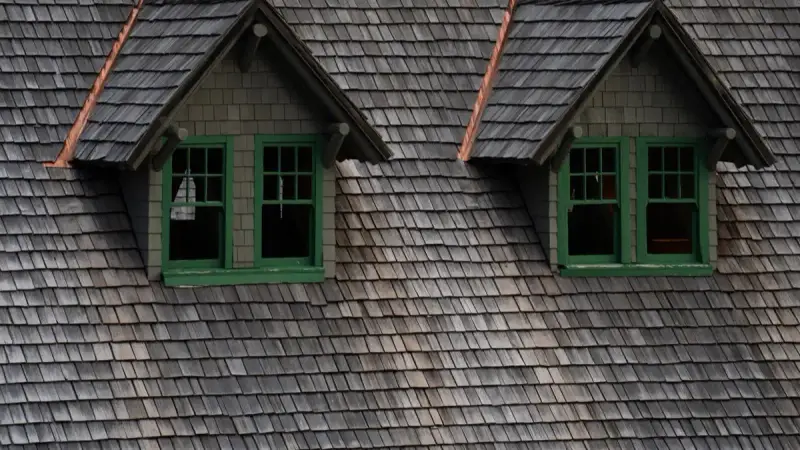
Logan Roof Pros: Roof Replacement, Repair and Snow-Load Work
Residential and commercial roofing across Cache Valley, priced against the ground snow load your address actually carries.
- ✓Design snow load for your parcel printed on the quote
- ✓Utah S280 roofing classification, number available on request
- ✓Tear-off only, with the deck photographed before it is covered
- ✓Written refusal when a roof does not need replacing
Logan Roof Pros installs and repairs roofs in Logan, Utah, and across Cache Valley: tear-off and replacement, leak tracing, standing seam metal, asphalt shingles, low-slope membrane, ventilation, chimney flashing and commercial work. Every quote states the design snow load we sized the assembly for.
That number is not decoration. Utah sets design ground snow load from elevation, through the lookup the engineers at Utah State University maintain, rather than from one figure per town - which is why a house on the bench does not carry what a house on the valley floor carries, and why the gap between them is larger than most bids admit.
So we quote materials by weight as well as by price. Concrete tile, a second layer of shingles, a heavier underlayment package, a rack of solar rails: each one spends part of a budget that was set when the roof was framed. We tell you what the assembly weighs, what the parcel is rated for, and where the two leave you, in writing, before you are asked to sign anything at all.
Why Logan Chooses Logan Roof Pros
- ✓We look up the design ground snow load for your coordinates before the site visit, and the figure we used goes on the proposal where you can check it against the city.
- ✓Every material option is quoted with the dead load it adds in pounds per square foot, because on a Cache Valley roof weight is a budget you are spending, not a detail.
- ✓We do not install shingles over existing shingles. It buys permanent load and blinds you to the deck, and if the budget is short we would rather phase the roof by section.
- ✓Drift zones behind parapets, screens and step walls get measured and drawn, since those are the areas that govern a low-slope roof here rather than the open field.
- ✓Winter service calls start in the attic, because between December and March the roof surface is under a pack and there is nothing useful to see from a ladder.
- ✓When a roof is worn rather than damaged we say so in writing and decline the claim, even though a storm claim pays us better than an honest inspection does.
About Logan Roof Pros in Logan, UT
Logan Roof Pros works Cache Valley, the Bear River Valley and the Bear Lake side of the Bear River Range. That is a service area with almost 2,000 feet of vertical range in it, from Honeyville at 4,268 feet to Garden City at 6,197, which is why we quote from the parcel rather than from a price sheet.
The work is ordinary roofing: tear-offs, leak tracing, metal panel, membrane on low slope, flashings, ventilation, and the commercial side of the valley's food plants and campus buildings. What is not ordinary here is the load budget, and that is the part most bids leave out entirely. We put it in writing so you can argue with it.
There are three jobs we turn down, and it is fairer to name them here than on your driveway. We will not lay shingles over shingles. We will not set concrete tile on framing sized for asphalt without an engineer's letter. We will not write a hail claim on a roof that has simply worn out. Where a rival bid is cheaper because it skips those, now you know why.
The Roofing Work Logan Calls Us For
Roof Replacement
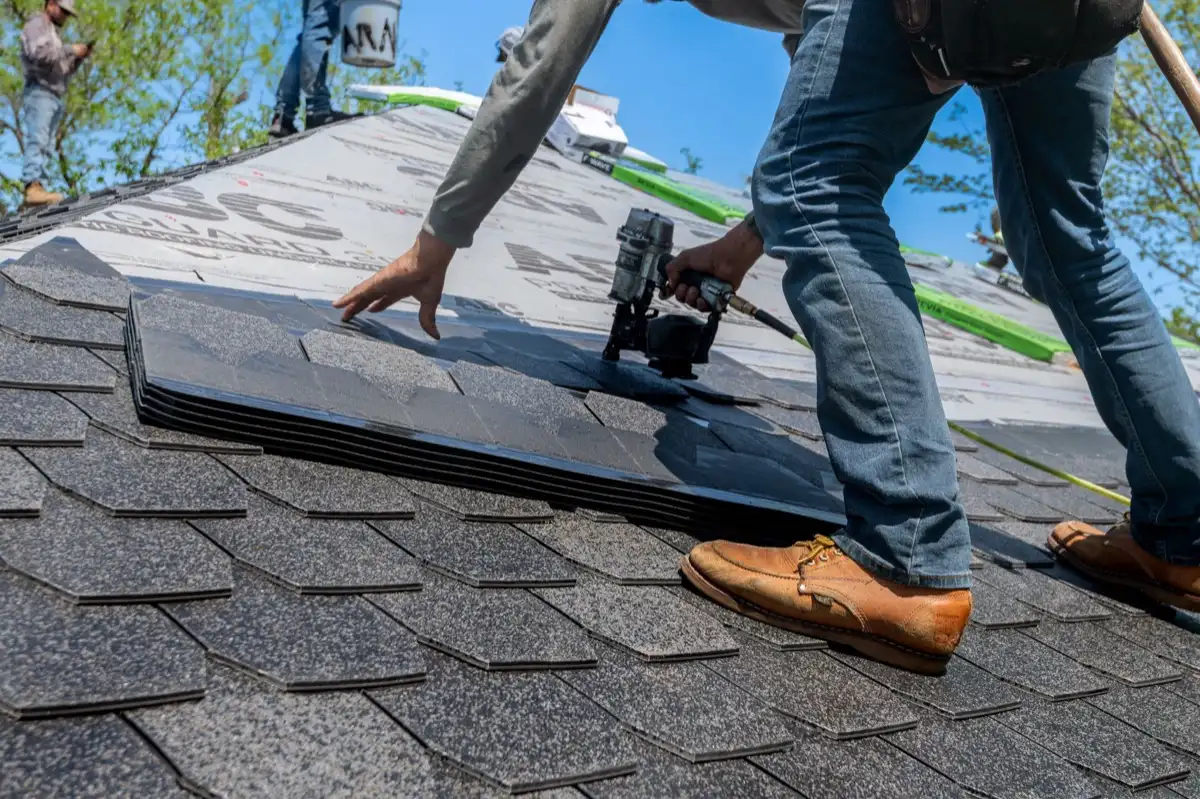
Replacing a roof in Cache Valley is a load decision before it is a style decision. The house was framed for a number, that number came from the parcel's elevation, and the assembly you put back has to fit inside it.
Roof Leak Repair
A January call about water coming through a ceiling in Logan is usually not a hole in the roof. More often it is meltwater finding a path, or the underside of your sheathing giving back the moisture it collected through December.
Storm Damage Restoration
The storm that damages roofs in Cache Valley is rarely a single afternoon. It is a season that stacks, because what lands in December is often still up there in February with three more storms sitting on top of it.
Hail Damage Roofing
Most hail calls we take in Cache Valley are not hail. They are a worn roof, a knock at the door from somebody working the street after a thunderstorm, and a homeowner who has been told to file a claim by tomorrow.
Wind Damage Roofing
Logan's published design wind is a 104 mile per hour three-second gust. That number matters, but in this valley wind does most of its damage to roofs indirectly, by picking snow up off one plane and putting it down on another.
Roof Inspections
The best month for a roof inspection in Cache Valley is September and the worst is January. That is not a scheduling preference.
Asphalt Shingle Roofs
Asphalt is the right answer for most houses in this valley, and the reason is weight. At three to four pounds per square foot a laminated shingle leaves more of your structural budget for snow, which is the load that actually governs a roof here.

Metal Roofing
Metal is the lightest covering we install, roughly a pound and a half per square foot against three or four for laminated asphalt. On a high-elevation lot in this service area that saving is not a talking point.
Tile Roofing
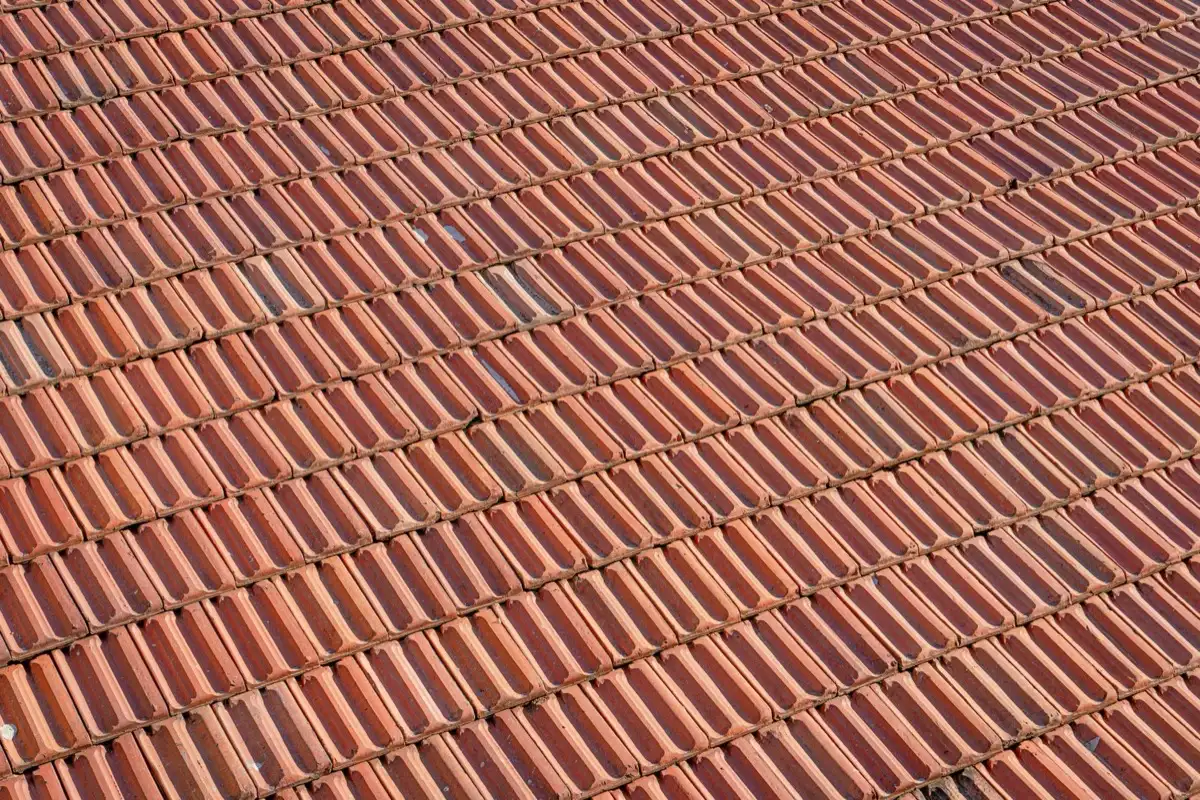
Tile sits on our price list and we mostly talk people out of it. On the majority of Cache Valley houses the answer is no, and if three other contractors said yes, here is the arithmetic they did not show you.

Flat & Low-Slope Roofing
On a low-slope roof in Cache Valley the snow does not go anywhere. It arrives, it stays for months, and it piles deepest exactly where the structure is least able to argue about it: against parapets, screens and taller adjoining walls.

Roof Coatings & Sealing
A coating is a maintenance product for a membrane that is still sound. It is not a repair, it is not structure, and in Cache Valley it is the product we decline most often, so it is worth explaining where the line falls.

Roof Ventilation
Ventilation on a Cache Valley roof has a scheduling problem nobody mentions at the supply house. For weeks at a time the ridge is buried, and a ridge vent under a foot of snow is not moving much air on the days you need it most.

Skylights
A skylight on a Cache Valley roof spends part of every winter acting as a dam. Snow that would otherwise sit still has an obstruction to pile against, and meltwater running under the pack has to find a way around the curb.
Fascia & Soffit
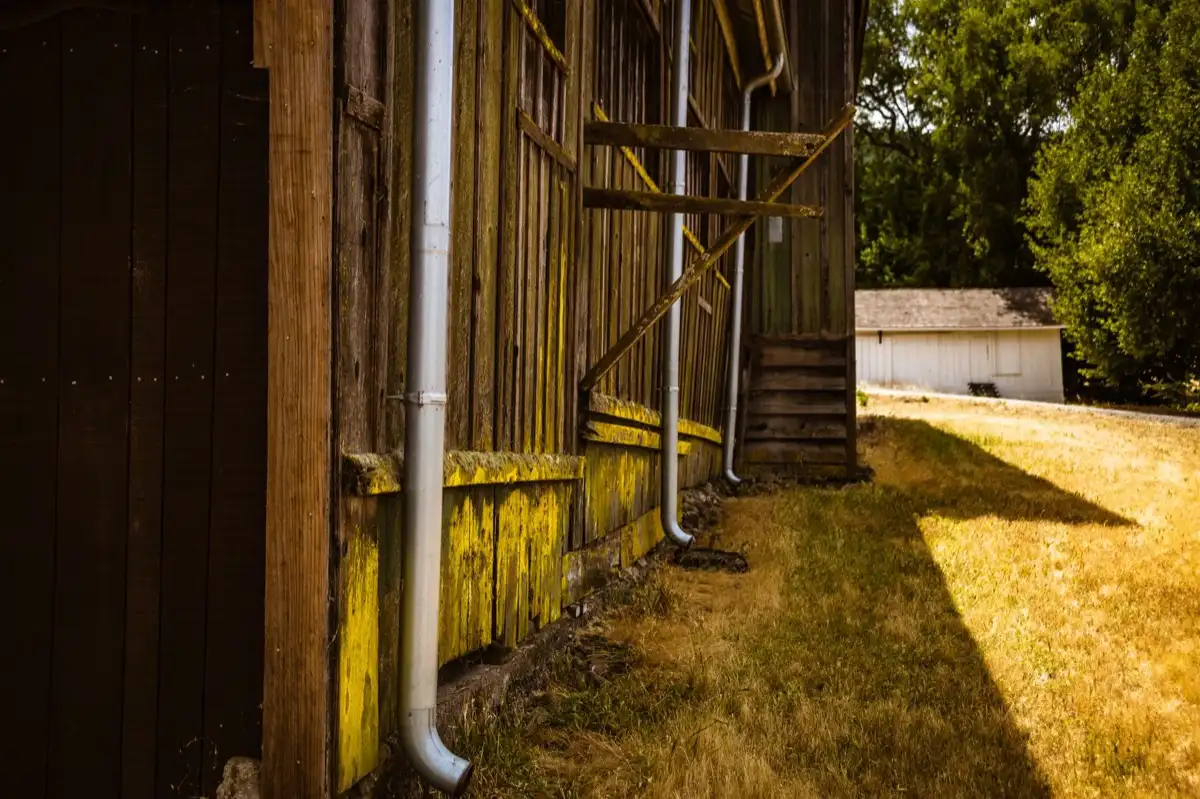
The eave is where a Cache Valley roof takes its physical punishment. Everything that slides off the roof crosses it, everything that melts runs over it, and the load path of a hanging gutter full of ice ends in the same few inches of timber.

Chimney Flashing
A chimney sitting on a snowy roof is an obstruction in a river. Snow packs against its uphill face and stays there, meltwater gathers behind it under the pack, and the whole assembly is asked to hold back standing water for months at a time.

Commercial Roofing
Cache Valley's commercial stock is food processing, the university, farm and light industrial buildings, and shop space. What those share is wide low-slope deck, equipment on top, and a snow load that stays put from December until the thaw.
Insurance Claim Help
Roof claims in northern Utah usually turn on a different question from roof claims elsewhere. It is rarely whether hail struck the house.

Commercial roofing for Cache Valley plants, campuses and shop buildings
This valley runs on food processing, the university and light manufacturing, and those buildings share a roof problem: wide low-slope decks with equipment on top, screens and parapets around the edge, and a snow load that sits for months instead of melting between storms.
Drift behind a screen wall or against a taller adjoining bay is what governs the structure, not the open field. We survey those areas specifically before we quote a membrane, and we put the drift zones on a drawing so your maintenance staff know which corners to watch.
- ✓Drift survey at every parapet, screen wall and change in roof height before a membrane is specified
- ✓Tapered insulation laid out to move meltwater to drains that are inside the heated envelope
- ✓Roof-mounted equipment curbs raised clear of the depth the roof actually holds in February
- ✓Reinforced single-ply and modified bitumen systems chosen for cold-weather seam performance
- ✓Written snow-management plan naming which areas get cleared, in what order, at what depth
- ✓Structural review recommended before rooftop solar, screens or new units are added
- ✓Night and weekend scheduling so production and class timetables are not interrupted
- ✓Leak history mapped against the deck layout so recurring points get solved once
- ✓Annual autumn walk with a photographed report of drains, laps, curbs and terminations
Recent Projects Across Cache Valley and the Bear River country
Full gallery →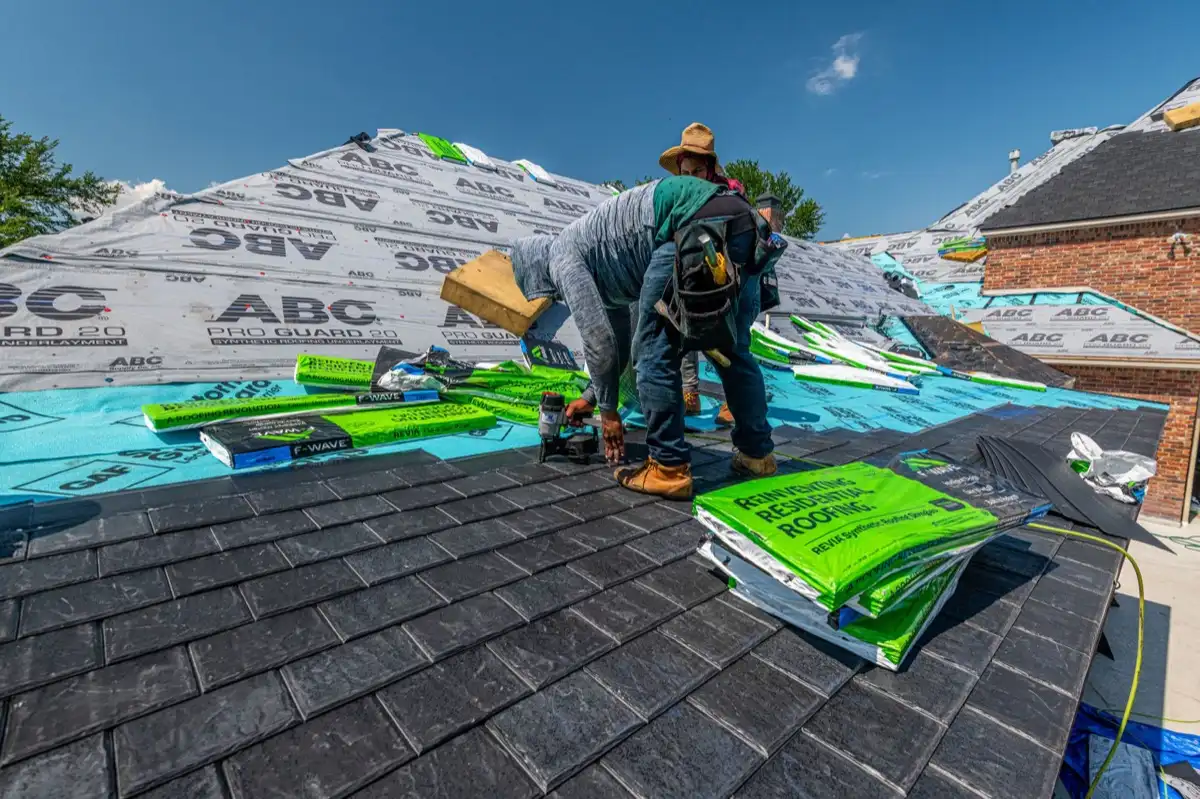
How It Works
- Look up the parcel before we look at the roof. We pull the design ground snow load for your coordinates first, and the roof slope and framing span second. Two houses six miles apart in this valley can sit 400 feet apart vertically, and that changes what the same roof is allowed to weigh. Knowing the number before the site visit changes which questions we ask in the attic.
- Inspect from underneath, then from on top. Attic first: deck staining, frost on the sheathing, nail tips wet, rafter or truss deflection, insulation depth at the eaves. Then the roof surface, the flashings and the penetrations. Most of what ends a roof in Cache Valley shows up on the underside months before it shows up on the shingles.
- Write the options with weights and reasons. You get the assembly we recommend, the cheaper option if a cheaper option is honest, and the one we would decline to build, each with the dead load it adds. Where a repair does the job we price the repair and say why. Where the answer is to spend nothing this year, that is written down too.
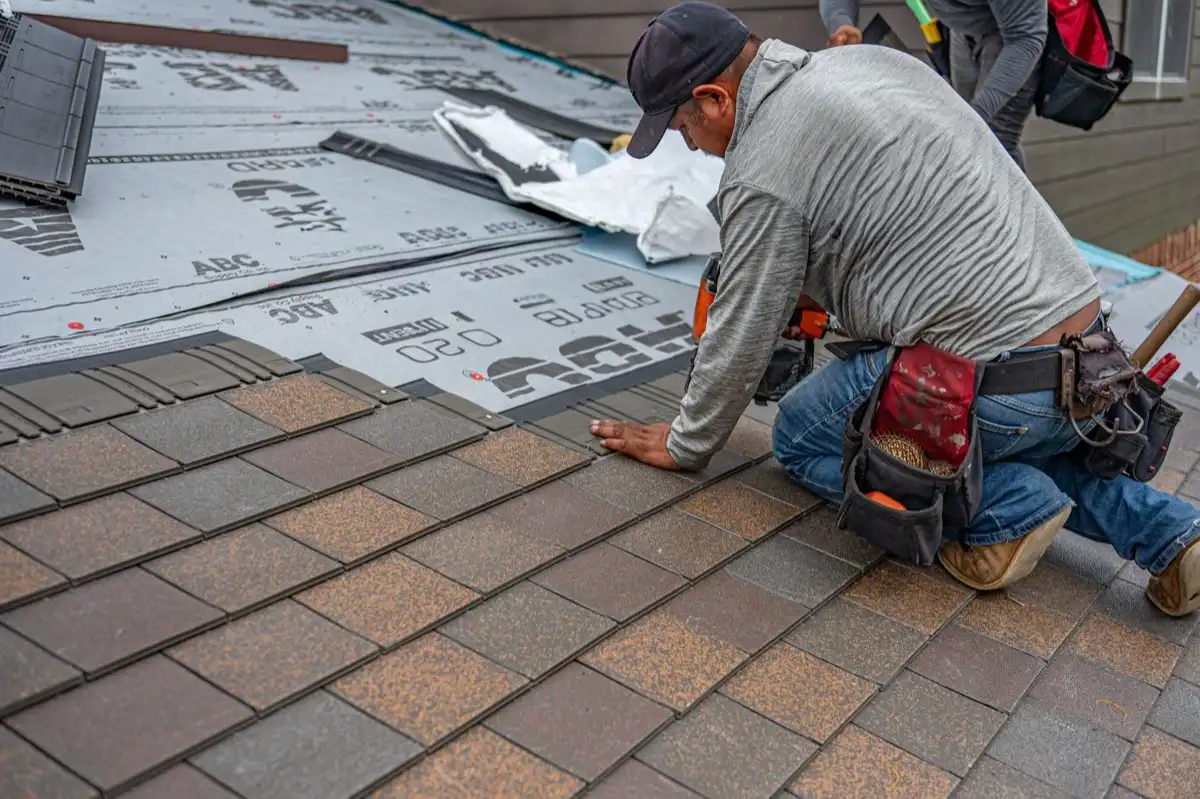
- Build it in the season it should be built in. Tear-offs get scheduled around the weather window rather than around our calendar, because a deck opened in the wrong week is a claim. The permit comes first: the hub city lists re-roofing among permit-required work and requires inspections on every permit, and the state code binds every municipality here, so this is not optional anywhere in the valley. Material is staged so nothing stays open overnight, and we photograph the deck, the underlayment and every flashing before the covering hides them.
What Logan Customers Say
They pulled the snow load for our address before they ever came out, then showed us why the tile we wanted was a bad idea on our framing. Ended up with metal and a smaller bill than the tile quote.
Water was coming through a bedroom ceiling in January. They went into the attic instead of climbing on a foot of snow, found frost melting off the sheathing, and fixed the bath fan run rather than selling me a roof.
Asked for a bid on a layover and got a written explanation of why they would not do one. Nobody else bothered to explain anything. We did the full tear-off in July and the deck was worse than expected, which they had warned us about.
Our shop building had drift piling against the taller bay every winter. They drew the drift area, changed the drainage layout and the ponding stopped. Straightforward people, and the crew cleaned up properly.
Where the Crews Go
Logan Roof Pros serves Logan, UT and surrounding communities including:
Frequently Asked Questions
What snow load does my roof in Logan need to be built for?
Utah derives design ground snow load from ELEVATION rather than from a single town figure, through the Utah State University snow load study, and that is the method your engineer and your building official will both use.
So the honest answer is that there is no one number for this service area: it spans nearly two thousand feet, from a valley floor around 4,268 feet to a lake town at 6,197. Treat any valley-floor figure as a starting point.
If your lot sits on the bench above town the number goes up, and the roof structure has to reflect it.
Why would a roof in Providence be specified differently from one in Logan?
Elevation. Logan's center sits near 4,510 feet and Providence near 4,692. Go further and Avon is at 5,042 and Garden City on Bear Lake at 6,197, while Honeyville down in the Bear River Valley is at 4,268. That spread is nearly 2,000 feet inside one service area. Design ground snow load climbs with it, so the framing, the fastening and the sensible material list all shift as you go up.
Can you put new shingles over the old ones to save money?
We do not do it here, and it is the one budget option we routinely refuse. A second layer adds two to three pounds per square foot of permanent dead load to a structure that already carries a heavy seasonal load, and it hides the deck at the exact moment you have it exposed. If money is the constraint, we would rather phase the work by roof section than build a layover.
Is metal roofing a good choice in Cache Valley?
For weight, yes. A standing seam panel is roughly a pound and a half per square foot against three or four for laminated asphalt, and that is real capacity you get back. For shedding, be careful. Metal is sold on the idea that snow slides off it, and through a Cache Valley midwinter the panel often never warms enough to release. Plan for the snow to sit, and plan for what happens when it finally goes.
When is the right time of year to re-roof in northern Utah?
Late spring through early autumn for a full tear-off. Asphalt shingles need warm surface temperatures for the sealant strips to bond, and a roof installed in November may not seal until the following April. We will still open a roof outside that window for genuine emergencies, but we will tell you it is an emergency measure rather than a good time to buy a roof.
Should I have the snow removed from my roof?
Usually not, and the removal itself does more damage than the snow on most Cache Valley houses. Where it is worth doing is a low-slope roof, a valley between two steep planes, or a spot behind a parapet or step wall where drifted depth is well past what the open field carries. If you call us we will ask for depth measurements in those specific places before we send anyone.